Deck repair in Tacoma, from the ledger at the house to the last stair tread
Decks fail from the bottom up and from the house out. We check the ledger, joists and posts first, then the boards and rails you actually see.
- Answering 24/7
- Puyallup office
- Tacoma and Pierce County
Short answer
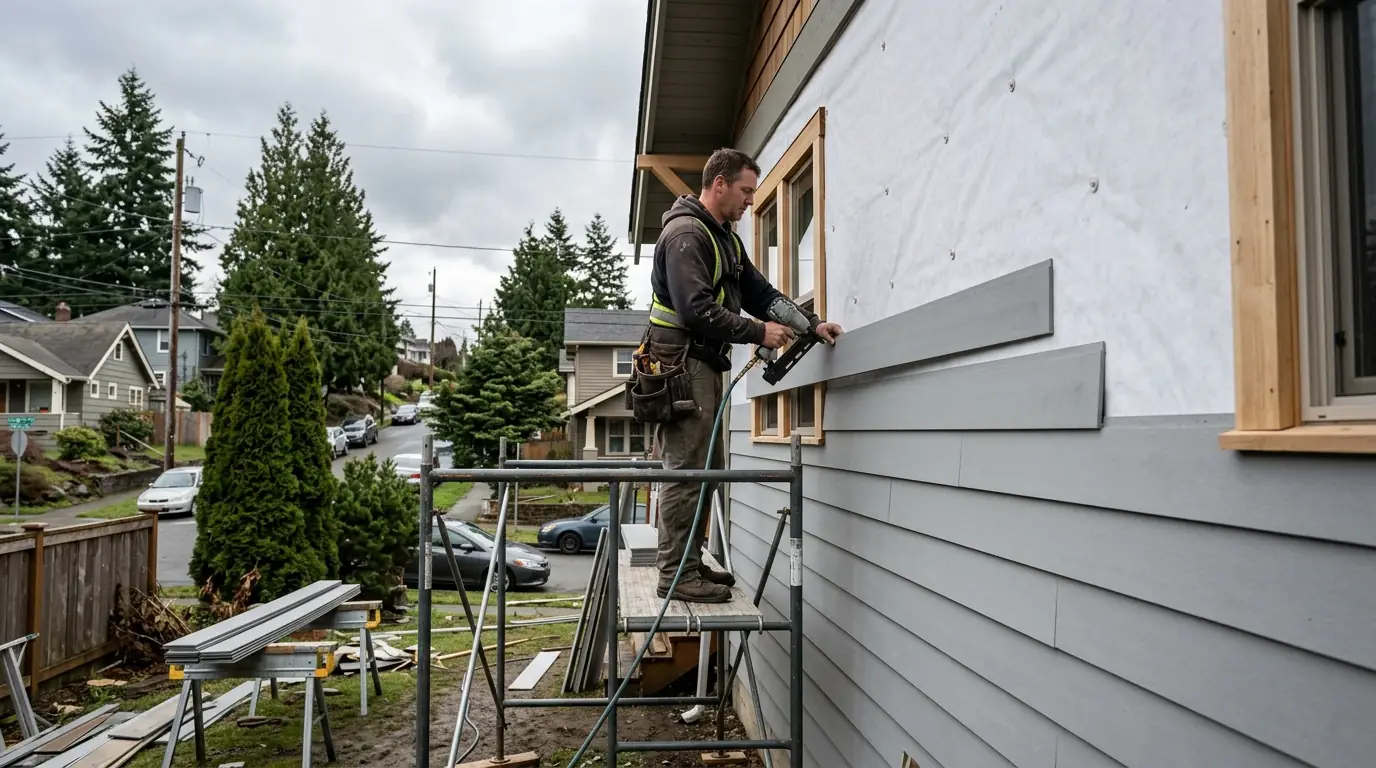
Deck repair on a Tacoma house starts under the boards, at the four parts that carry the load: ledger, joists, beams and posts. That is where rot weakens a deck long before the surface shows it. We reflash or replace ledgers, sister or replace rotted joists, rebuild loose railings and stairs, and resurface decks whose frames are still sound.
Repair the frame or rebuild the deck?
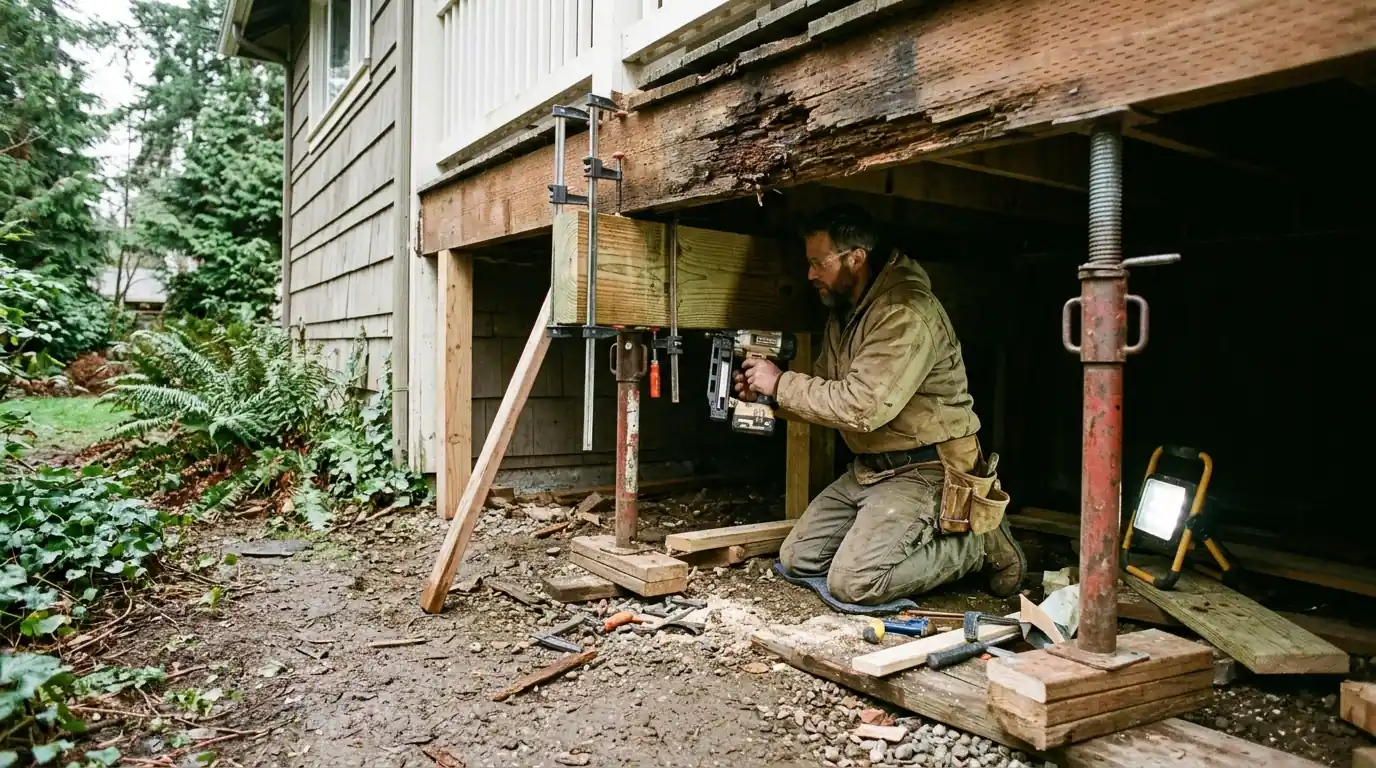
The surface of a deck is the cheap part. The structure underneath carries the load, and on older decks it often hides rot where boards sit on joists and where the ledger meets the house. We get underneath and probe every member before talking about new boards.
If the frame is mostly sound, repair is the better value: replace the failed pieces, add hardware, resurface. If rot runs through the ledger and many joists, rebuilding costs less in the end, and we price a new deck alongside the repair.
What sets the cost of a deck repair
Repairs are priced after we get under the deck. These factors make the biggest difference.
How much of the frame failed
A few joists cost less than a new ledger and beam.
Height off the ground
Tall decks need more shoring and staging.
Railings and stairs
Rebuilding rail posts and stringers adds carpentry.
Surface material
Composite resurfacing costs more than wood.
House-side damage
Rot in the rim joist or siding behind the ledger adds scope.
Ledger flashing
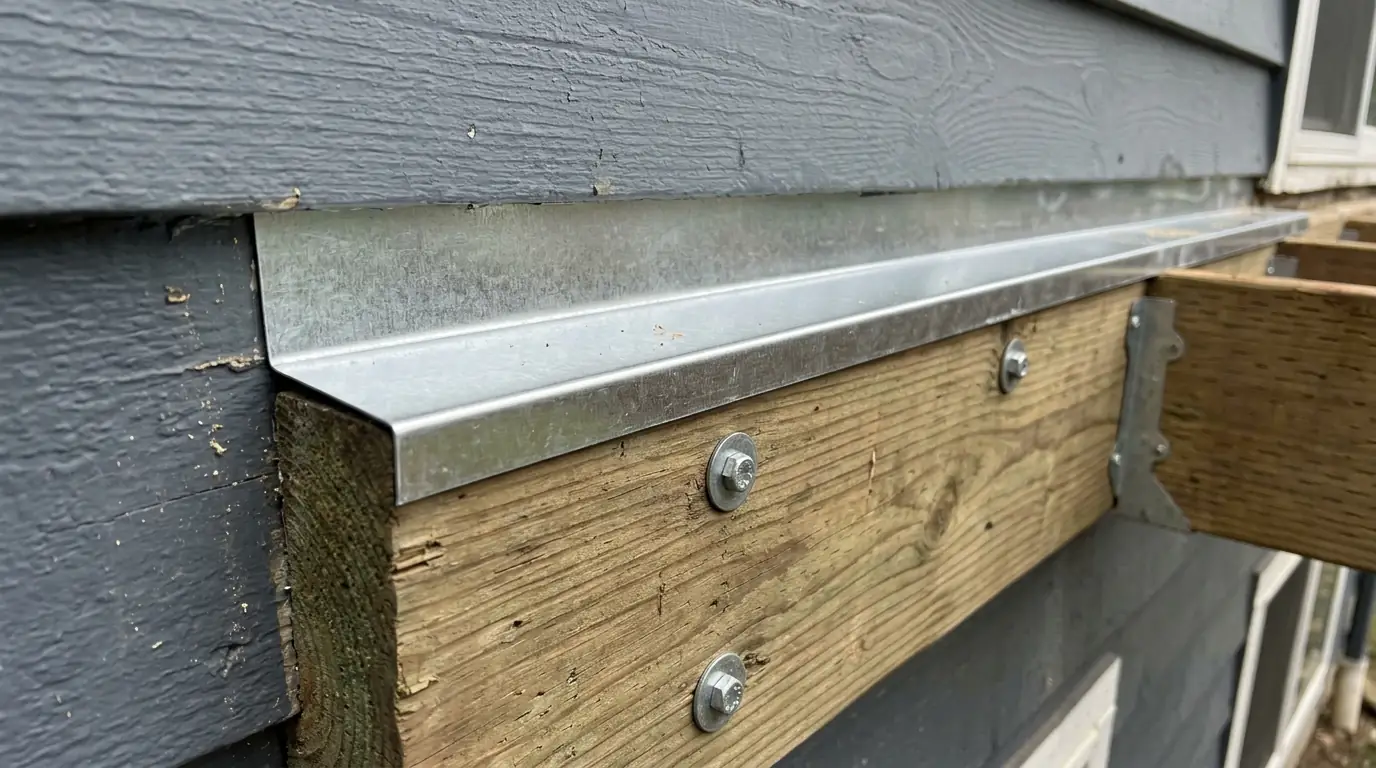
Many older decks hang on a ledger nailed to the house with no flashing above it. Nails alone make a weak connection, and the missing flashing lets water sit behind the board. If the ledger is still sound, we slip new flashing behind the siding above it and add through-bolts or structural screws in a staggered pattern. If it is soft, we shore the deck and replace it. Warning signs include a gap between ledger and house, rust streaks below fasteners, or a deck that sways underfoot.
Joist and beam rot
Joists rot first where water sits: along the top under each board, and at the ends where they meet the ledger or beam. Beams rot where posts and joists bear on them. We probe each member and sister new lumber alongside joists with surface rot, or replace them outright when the decay is deep. New and sistered joists get tape on top before boards go back down. Posts buried in soil are the other common failure, and we move them onto concrete footings with post bases.
Railings and stairs
A railing that moves when you lean on it is the most dangerous thing on an old deck. Rail posts are often notched and held with a single bolt, which loosens as the wood shrinks and rots around it. We reinforce or replace rail posts with stronger connections, replace rotted balusters and caps, and rebuild stairs whose stringers have softened where they rest on the ground. Treads get a slip-resistant surface, since wet wood steps stay slick for much of the year here.
Resurfacing
If the frame is sound but the boards are cupped, split or soft, new decking on the old frame gives you a nearly new deck for less. Before resurfacing we pull a few boards to check the joists, tape them, and replace any that are suspect. Switching from wood to composite often means adding joists, because composite needs closer spacing. Resurfacing is also the time to set proper board gaps so water drains through and air reaches the frame below.
How a deck repair visit runs
You call about the deck
What feels soft, loose or wrong when you use it.
We get underneath
Ledger, joists, beams, posts and footings probed.
We check the house wall
Siding and rim joist behind the ledger.
You get the findings
Repair scope, and when rebuilding costs less.
We shore and repair
Temporary supports go in while the frame is fixed.
We fix rails and stairs
Posts reinforced and treads made solid.
We finish the surface
New boards, gaps set and the deck cleaned up.
Around Tacoma
Aging decks on 1980s and 2000s houses
Around Tacoma, many of the decks we repair were built with the house. Federal Way's biggest building decade was the 1980s, at 24% of homes, so plenty of decks there are original and well past the age where unflashed ledgers and soil-set posts give out. South Hill's largest decade came later, with 25.5% of homes built from 2000 to 2009, and 70.6% are owner-occupied. Those decks are younger, but often old enough for soft boards and loose railings to start showing.
A deck that moves when you walk on it?
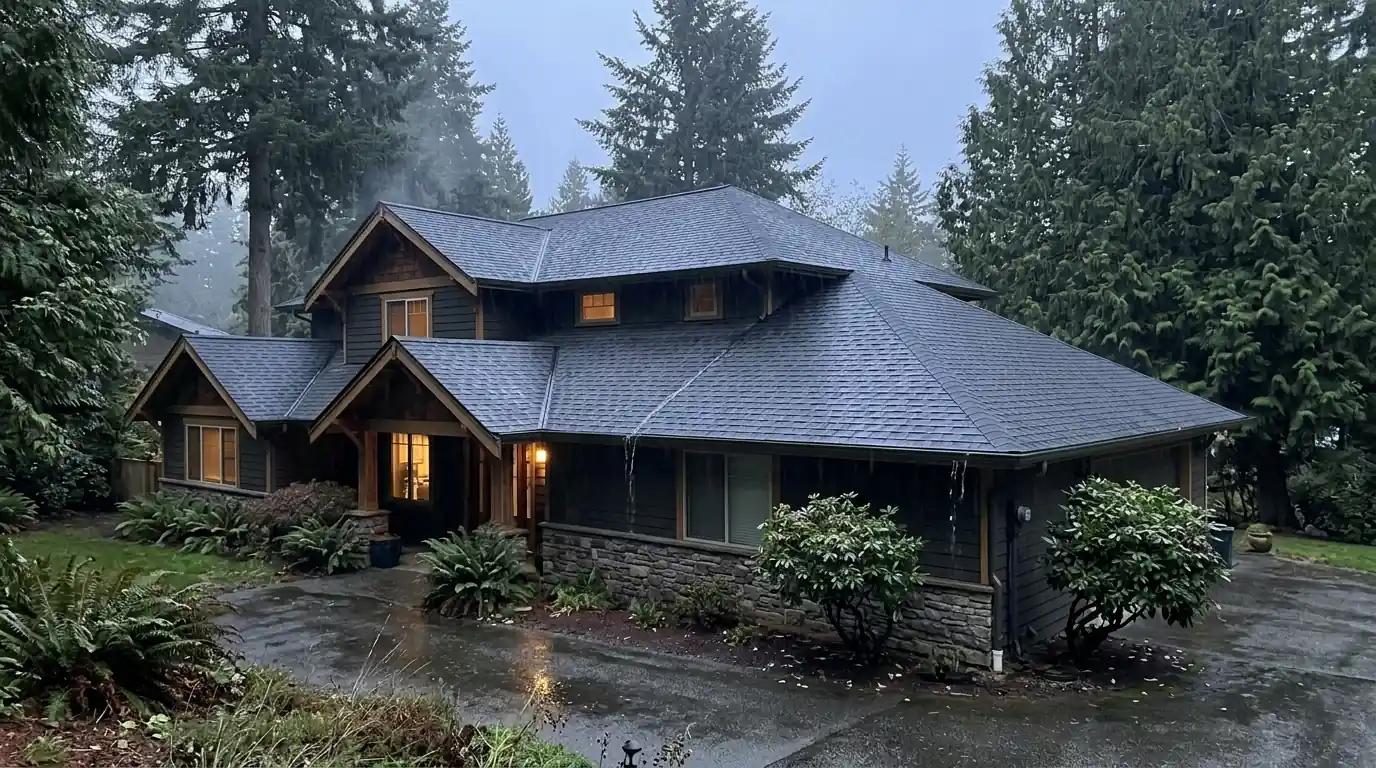
Call any hour. Stay off it until we can get underneath and see what is holding it up.
Call (253) 449-1922Signs a deck needs repair
Check these from the yard and from underneath, with a screwdriver in hand.
A wobbly railing
Rail posts that move when pushed have loosened or rotted.
Soft or spongy boards
Give underfoot means rot in the board or joist below.
A gap at the house
The ledger may be pulling away from the wall.
Rust streaks under bolts
Water is reaching the fasteners and the wood around them.
Posts sitting in dirt
Buried posts rot at ground level first.
Deck Repair questions from Tacoma homeowners
If a railing moves, the deck sways, or the ledger is pulling from the house, stay off it until it is checked. Those are the failures that injure people.
Yes, if the frame checks out. We pull a few boards first to look at the joists before committing to a resurface.
Wood decking benefits from a penetrating sealer once the new boards dry out. Composite boards need only an occasional wash.
Wider board gaps, trimming overhanging branches and regular cleaning all help. Capped composite boards resist moss better than wood does.
Repair usually wins when the ledger and most joists are sound. If both are rotted, a new deck often costs less over time.