Window replacement in Tacoma, flashed into the wall so the new glass stays dry
A new window is only as dry as the wall around it. We size the frame, choose the material with you, and flash every opening so rain sheds outward.
- Answering 24/7
- Puyallup office
- Tacoma and Pierce County
Short answer
Window replacement on a Tacoma house takes one of two forms: an insert set into the old frame, or a full-frame install that opens the wall to the studs. We fit vinyl or fiberglass units, flash full-frame installs into the house wrap, and seal and trim the inside. Inserts cost less; full-frame lets us fix rot and leaks around the opening.
Insert or full-frame: what we replace
An insert, sometimes called a pocket replacement, slips a new window into the existing frame after the old sashes come out. It leaves the interior and exterior trim alone and costs less, but the glass area shrinks a little and any rot in the old frame stays put.
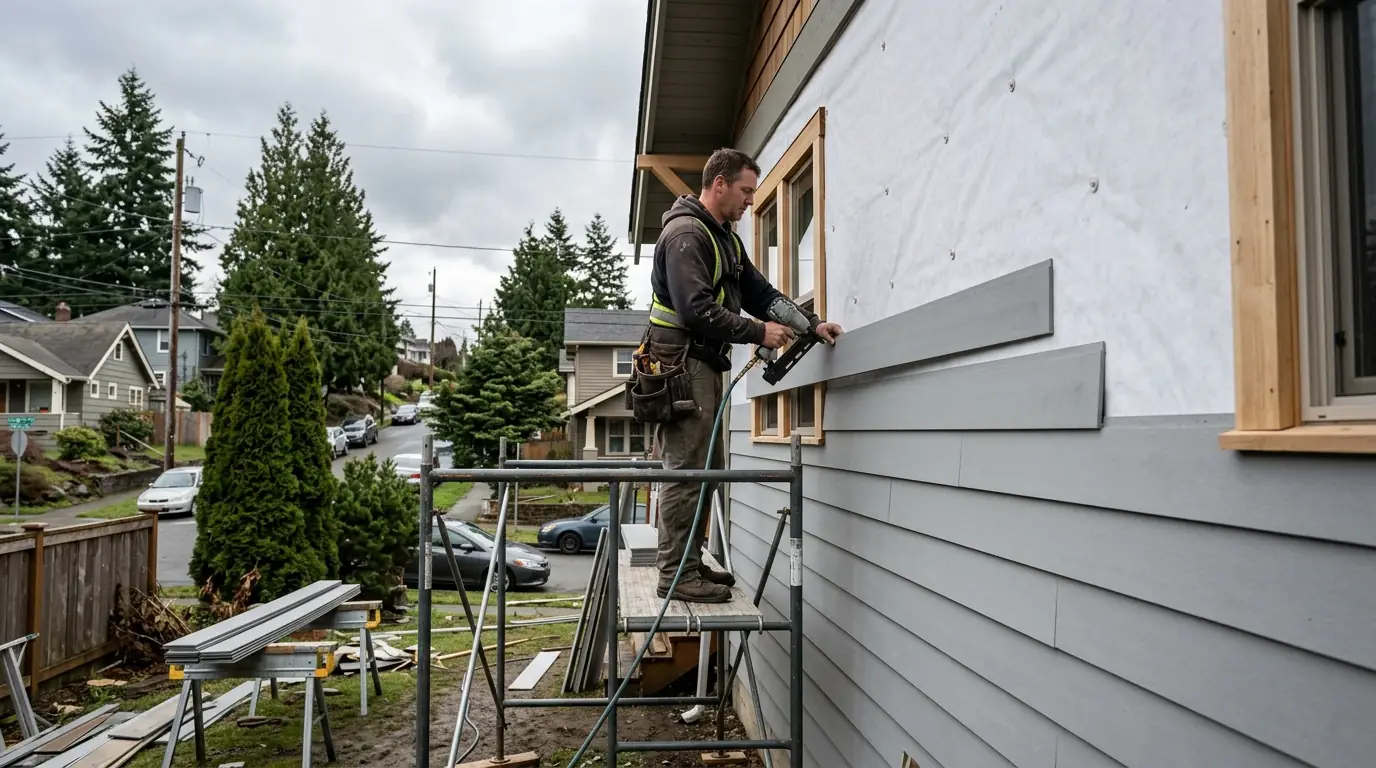
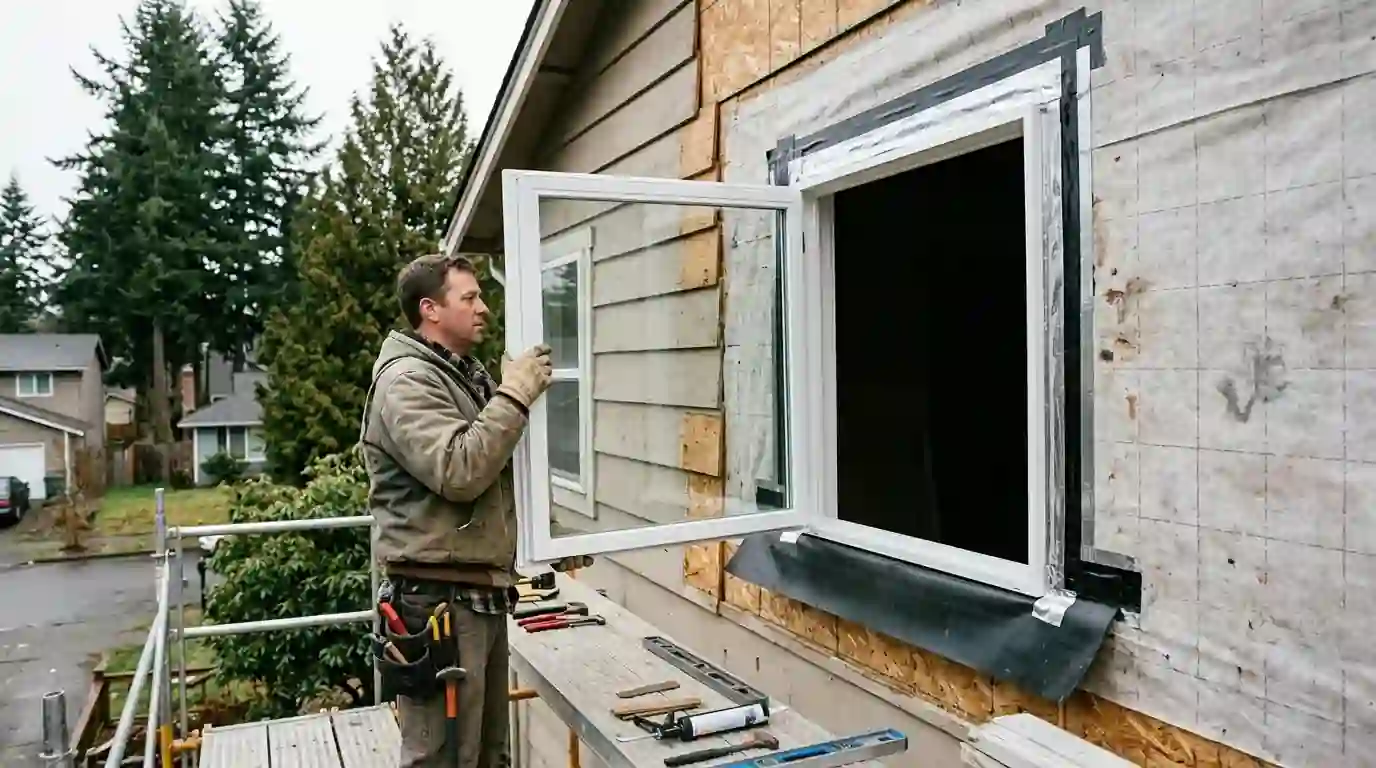
A full-frame replacement removes everything down to the rough opening. That lets us check the framing, replace rotted sills, flash the opening properly and fit a window sized to it. We install units from makers like Milgard, Pella and Andersen, and if siding is coming off anyway, new siding and windows belong in one project.
What changes the cost of new windows
The published Seattle-area range below covers whole projects and single windows. Your price depends on these factors.
Published range, not a quote and not our price. Source: angi.com, 2026-08. Your number depends on the factors below and is set after we see the roof.
Insert or full-frame
Full-frame costs more but fixes the opening too.
Frame material
Fiberglass and wood cost more than vinyl.
Size and style
Large, custom and specialty shapes cost more per window.
Damage found
Rotted sills and framing add carpentry.
Trim and finish
New exterior trim and interior casing add to the total.
Vinyl windows
Vinyl frames are the most common replacement because they cost least, never need paint and seal tightly. Welded corners keep water out of the frame, and multi-chamber profiles add insulation. The tradeoffs are bulk and movement: vinyl frames are thicker than wood or fiberglass, so the glass area shrinks, and dark vinyl colors can warp in direct sun. Vinyl also does not take a new paint color with any real success. For most houses outside historic districts, it is the value pick.
Fiberglass windows
Fiberglass frames expand and contract at nearly the same rate as glass, so the seals stay tight through hot and cold swings. They are stronger than vinyl, which allows slimmer frames and more glass, and they can be painted. Dark colors hold up better too. The tradeoff is cost, which runs noticeably higher than vinyl for the same size. Fiberglass makes sense where sightlines matter, on large openings, or where a slim frame suits the architecture better than vinyl would.
Windows in historic districts
Tacoma's historic district guidelines for some areas reject vinyl windows as replacements for historic ones and favor keeping original sashes. In practice that can mean reglazing, new sash cords and weatherstripping on the old windows, or replacement in wood that matches the original profile and muntin pattern. A restored wood window paired with a good storm window can perform surprisingly well. We confirm what applies to your house before ordering anything, and our historic district guide covers the review steps.
Flashing new windows
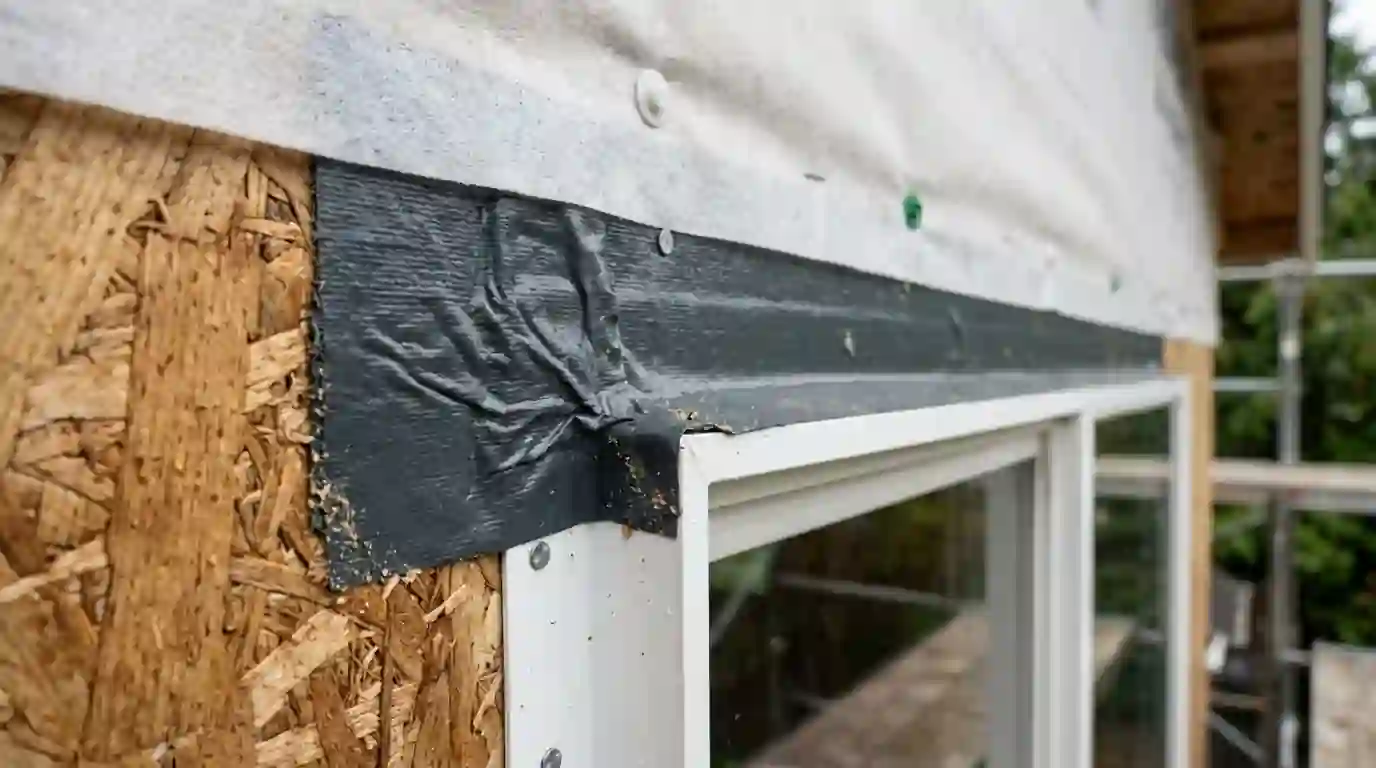
Most window leaks come from the wall around the window, not the glass. On a full-frame install we wrap the rough sill with flexible flashing that turns up at the corners, set a sloped sill pan, and bed the window in sealant. Side flashing goes over the nailing flange, and the head flashing laps over it and under the house wrap above, so water always runs outward. A metal drip cap over the head trim finishes the job. These steps take time, and they are the reason a window stays dry.
What a full-frame window install includes
Window bids differ most in the flashing and trim. Ours include all of this.
- Removal and disposal of the old window
- Rough opening checked for rot and repaired
- Sloped sill pan and flexible flashing
- Side and head flashing lapped into the wrap
- Metal drip cap over the head trim
- Exterior trim and sealant
- Interior casing reset or replaced
How a window replacement runs
You call about the windows
How many, which rooms and what bothers you about them.
We measure each opening
And check the sills and framing for rot.
You choose the windows
Material, style, color and glass options.
We order to size
Units are made to the measured openings.
We remove the old units
One opening at a time, closed up before we leave.
We flash and install
Sill pan, side and head flashing, lapped to shed water.
We trim and seal
Inside and out, then clean the glass and the site.
In Tacoma
Old windows in Tacoma's historic districts and the Eastside
The North Slope and Wedge historic district guidelines reject vinyl windows as replacements for historic windows, so on houses there we start with repair or wood replacement and confirm the requirements before ordering. Outside the districts, the age of the housing still shapes the job. The Eastside, by NeighborhoodScout's count, mixes houses from before 1939 with others from the last three decades of the century. So original wood double-hungs and aging aluminum sliders turn up a few blocks apart, each with different trim and framing behind it.
- Milgard
- Pella
- Andersen
- Marvin
- Jeld-Wen
- Ply Gem
- Simonton
- Velux
Window Replacement questions from Tacoma homeowners
Vinyl costs less and suits most homes. Fiberglass costs more, allows slimmer frames and more glass, and can be painted later.
In some Tacoma historic districts, guidelines reject vinyl as a replacement for historic windows. We check what applies to your house before ordering.
Inserts cost less and keep your trim. Full-frame replacement is the better choice when the frame is rotted or the opening leaks.
On old single-pane glass, warm indoor air meets cold glass. New double-pane units cut that down; on new windows, fogging usually points to high indoor humidity.
Yes, and it is the ideal time, since the wall is open for flashing. See siding installation for that work.